
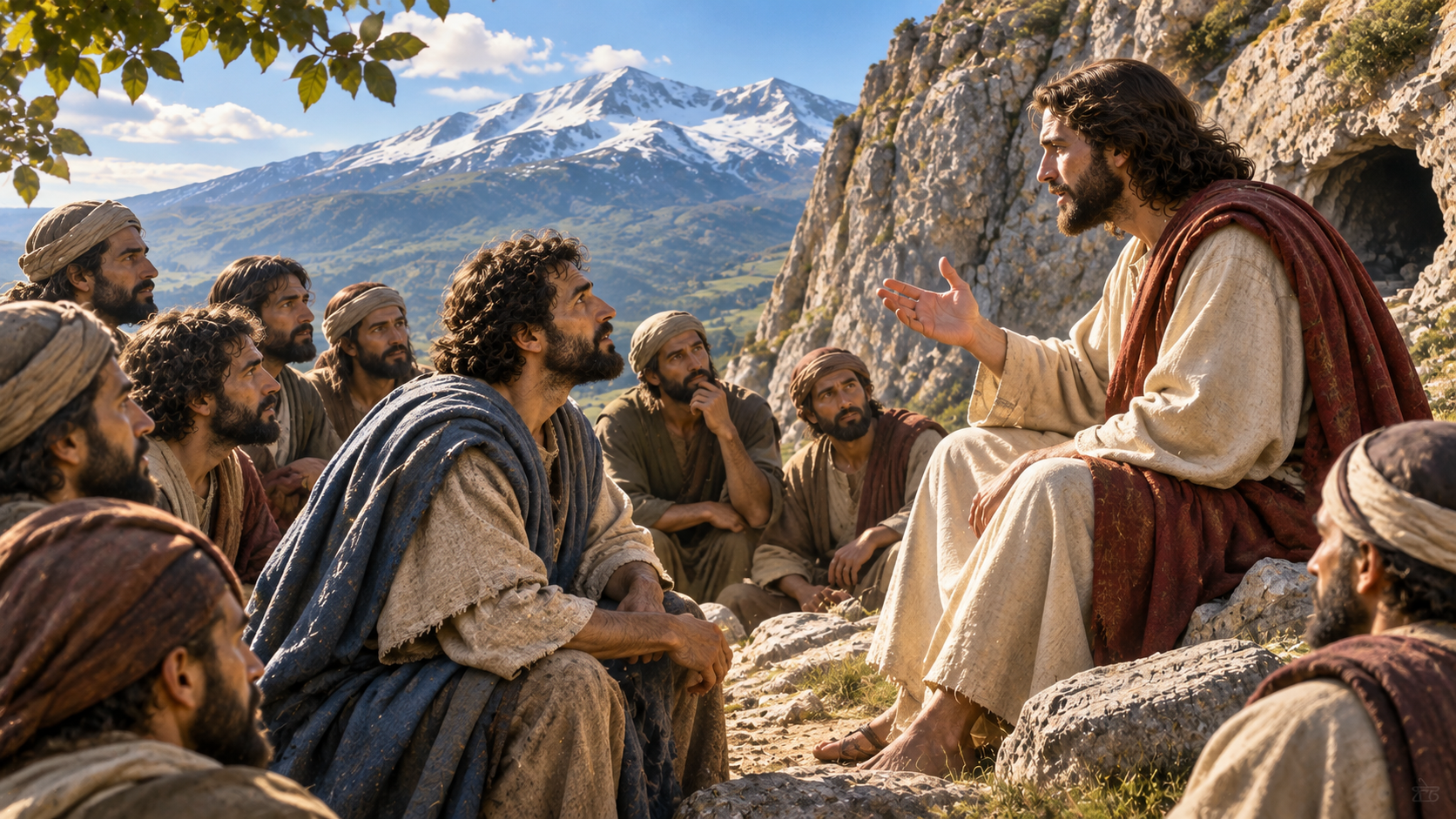
What Did Jesus Mean When He Said the Gates of Hell Would Not Prevail?
What did Jesus mean when He declared that the gates of Hades would not prevail against His Church? This biblical study examines Matthew 16:18, Peter's confession, the meaning of Hades and Sheol, and the historical setting of Caesarea Philippi. It also evaluates Michael Heiser's interpretation of Mount Hermon and supernatural geography, distinguishing the passage's immediate biblical meaning from its broader theological implications. Discover how Christ's resurrection guarantees the ultimate victory of His Church over death and the powers of darkness.

Who Were the Nephilim? Giants, Fallen Angels, and the Sons of God in Genesis 6
A biblical and theological examination of the Nephilim, the sons of God, ancient giants, and the Watchers tradition, including Michael Heiser's research on Second Temple Jewish demonology.
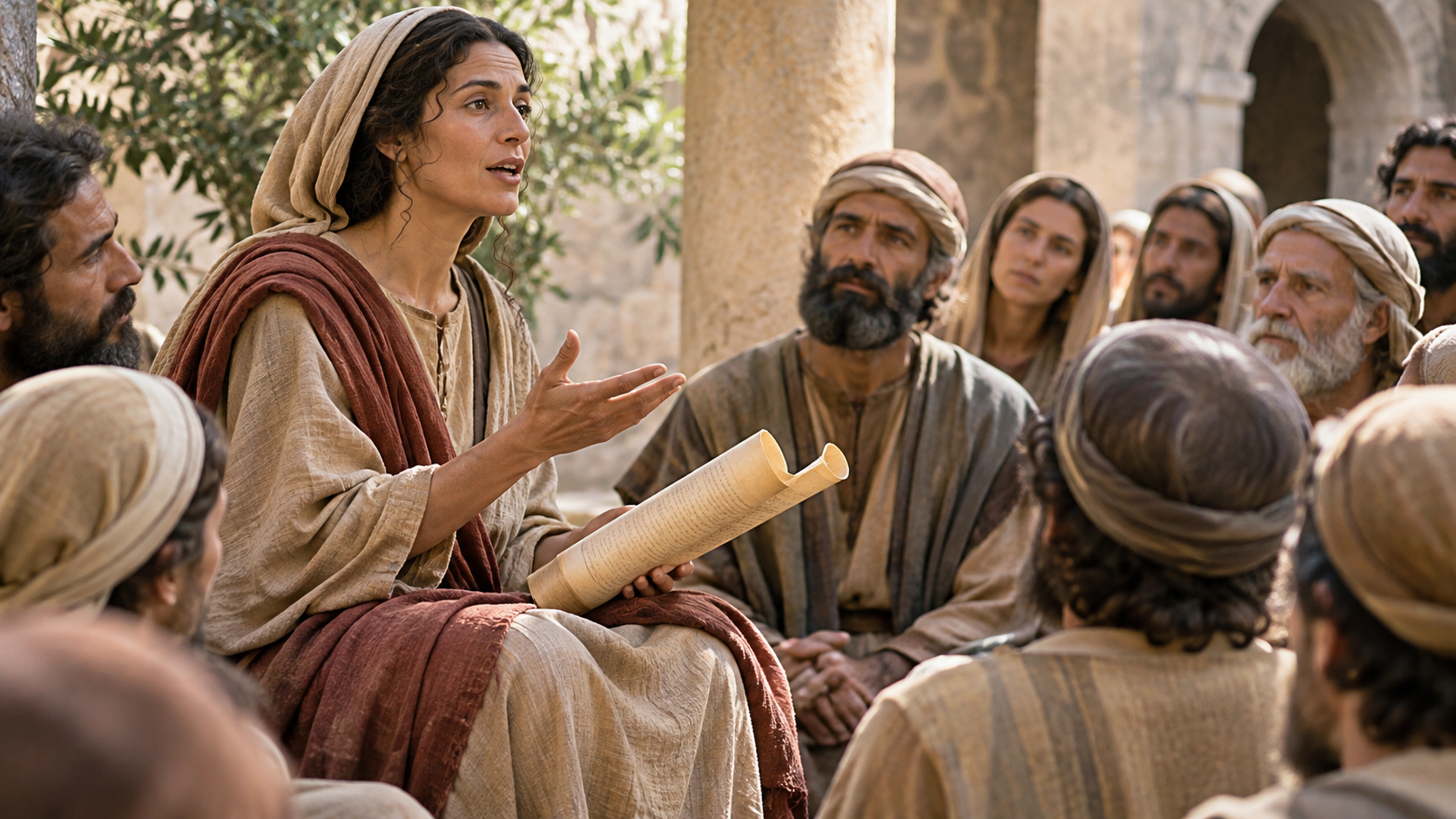
Should Women Be Ordained as Pastors? A Biblical and Theological Examination
Does the Bible permit women to serve as pastors, elders, or overseers? This comprehensive biblical and theological examination explores 1 Timothy 2:11–15, pastoral qualifications, creation order, Greek terminology, and the historical evidence concerning women in early church leadership. Complementarian and egalitarian interpretations are evaluated alongside questions of biblical authority, spiritual gifts, and the church's responsibility to preserve apostolic teaching.

When You No Longer Feel Needed: Finding Identity and Purpose in Jesus Christ After Retirement
For someone who has spent forty or fifty years building a career, retirement may represent much more than the conclusion of employment. It may involve the disappearance of the responsibilities, relationships, and accomplishments through which that person has understood personal identity.
The retired executive no longer makes important organizational decisions. The former teacher no longer has a classroom of students. The business owner no longer directs employees or manages daily operations. The pastor who spent decades preaching, counseling, and leading a congregation may suddenly find that his former responsibilities belong to someone else.
For some, these changes bring welcome relief. For others, they produce an unsettling question:
If I am no longer needed to do what I have always done, what purpose does my life still serve?

Seniors at Risk: Is the Church Neglecting Its Aging Members?
The American church has devoted considerable attention and resources to reaching younger generations. Children's ministries, youth programs, college fellowships, young adult gatherings, and family-oriented initiatives frequently occupy prominent places in church programming and strategic planning. These ministries are important, and Scripture provides ample justification for investing in the spiritual formation of children and young adults.
But another generation deserves equally serious consideration.
Across the United States, millions of older adults are navigating the difficult realities of aging. Some are experiencing deteriorating health, chronic pain, disability, or declining mobility. Others are confronting the death of a spouse, the loss of longtime friends, financial insecurity, or the emotional consequences of retirement. Still others are struggling with depression, loneliness, cognitive impairment, or the frightening realization that they can no longer live independently.
For many, these challenges occur simultaneously.

The Down-Grade of Biblical Teaching in the Church
One of the persistent challenges confronting the Christian church is the temptation to adjust its teaching to accommodate the expectations of the surrounding culture. This tendency is not unique to the modern church. From the apostolic period onward, Christian congregations have faced pressures to soften difficult doctrines, avoid unpopular truths, and substitute messages that listeners find more agreeable.
The problem is not that biblical teaching must be understandable. Scripture itself places great importance on communicating God's truth clearly. Jesus used illustrations drawn from ordinary life, and the apostles explained the gospel in language appropriate to their audiences.
The problem arises when the desire to be understood becomes the desire to be approved.
There is a significant difference between explaining biblical truth in accessible language and reducing biblical truth to whatever an audience is willing to accept.
The first is faithful communication. The second is doctrinal compromise.

Christian Gray Divorce: When a Lifelong Covenant Ends in Later Life
Gray divorce is becoming increasingly common among Americans over fifty, raising difficult questions about marriage, aging, depression, disability, and lifelong commitment. Why do marriages that have endured for decades sometimes end during retirement? This biblical and theological study examines the causes and consequences of gray divorce, the importance of spiritual compatibility, and the church's responsibility to teach and uphold marriage as a sacred covenant before God.

More Than the Brain: A Biblical and Theological Examination of Human Nature, Soul, and Spirit
Are human beings simply physical bodies governed by the brain, or does Scripture reveal an immaterial dimension of human existence? This biblical and theological examination explores the relationship between body, soul, and spirit, comparing dichotomy and trichotomy through careful scriptural interpretation. Drawing upon historical theology, neuroscience, consciousness research, and the biblical teaching concerning life after death, the study argues that soul and spirit are largely interchangeable descriptions of the immaterial person. It also considers near-death experiences, dementia, personal identity, and the Christian hope of bodily resurrection.

How Much Time Should Married Couples Spend Together? Does Scripture Allow Personal Space?
How much time should a husband and wife spend together?
Should married couples spend their evenings together whenever possible? Is it appropriate for one spouse to request time alone, pursue individual interests, or spend an evening apart? Does the desire for personal space suggest that something is wrong with the marriage?
These questions frequently arise because spouses do not always share the same expectations concerning companionship.

When the Church Crosses Biblical Boundaries: Disregarding God's Word and Grieving the Holy Spirit
What happens when church leaders depart from established biblical teaching? This theological study examines the authority of Scripture, doctrinal compromise, the responsibility of pastors, and what it means to grieve the Holy Spirit. Drawing upon biblical instruction and contemporary controversies involving Calvary Chapel Costa Mesa, the article considers how churches can preserve doctrinal faithfulness while maintaining Christian unity and charity.
Essential Doctrine, Biblical Authority, and the Limits of Christian Liberty
Does the distinction between essential and nonessential doctrines permit churches to disregard biblical instruction? This scholarly study examines Rupertus Meldenius's historic maxim, the inspiration and inerrancy of Scripture, Christian liberty, and the relationship between obedience and sanctification. It also considers the responsibility of church leaders to preserve foundational doctrinal commitments, with Calvary Chapel Costa Mesa as a contemporary case study.

Are Christians Required to Tithe? What the Bible Really Teaches About Giving
For generations, Christians have been taught that giving ten percent of their income to the local church is a biblical obligation. In some congregations, the tithe is presented as the minimum expression of faithfulness to God. Failure to give that amount may be characterized as disobedience, spiritual immaturity, or even robbing God.
Other Christians maintain that the Old Testament tithe belonged to Israel's covenantal system and that New Testament believers are instructed to give generously without a prescribed percentage.
The disagreement raises several important questions.

Church Wealth, Financial Accountability, and Christian Giving: What Does Scripture Require?
Churches and Christian ministries manage billions of dollars in donations, investments, property, and institutional assets. But when does responsible stewardship become financial excess, and what responsibility do Christians have to question how their contributions are spent?
This biblical and theological examination considers church buildings, ministry expenses, pastoral compensation, institutional wealth, and financial accountability. Drawing particularly from 2 Corinthians 8:16–24, it explores whether Christians should give unquestioningly or exercise discernment when supporting religious organizations.

When Disability Changes a Christian Marriage
Most Christian couples enter marriage anticipating a shared life involving companionship, financial stability, household responsibilities, sexual intimacy, and mutual support. Although they recognize that suffering and hardship are inevitable possibilities, few fully anticipate how disability or chronic illness might alter nearly every aspect of their relationship.
A husband who once supported his family through employment may become unable to work because of a spinal condition, neurological disorder, chronic pain, or progressive disease. His wife may consequently become the household's primary wage earner while also assuming responsibilities previously shared between them.
In another marriage, a wife may develop a debilitating illness that prevents her from performing ordinary household responsibilities or participating in sexual intimacy. Her husband may find himself balancing employment, domestic responsibilities, and caregiving.
These circumstances often create more than practical difficulties.
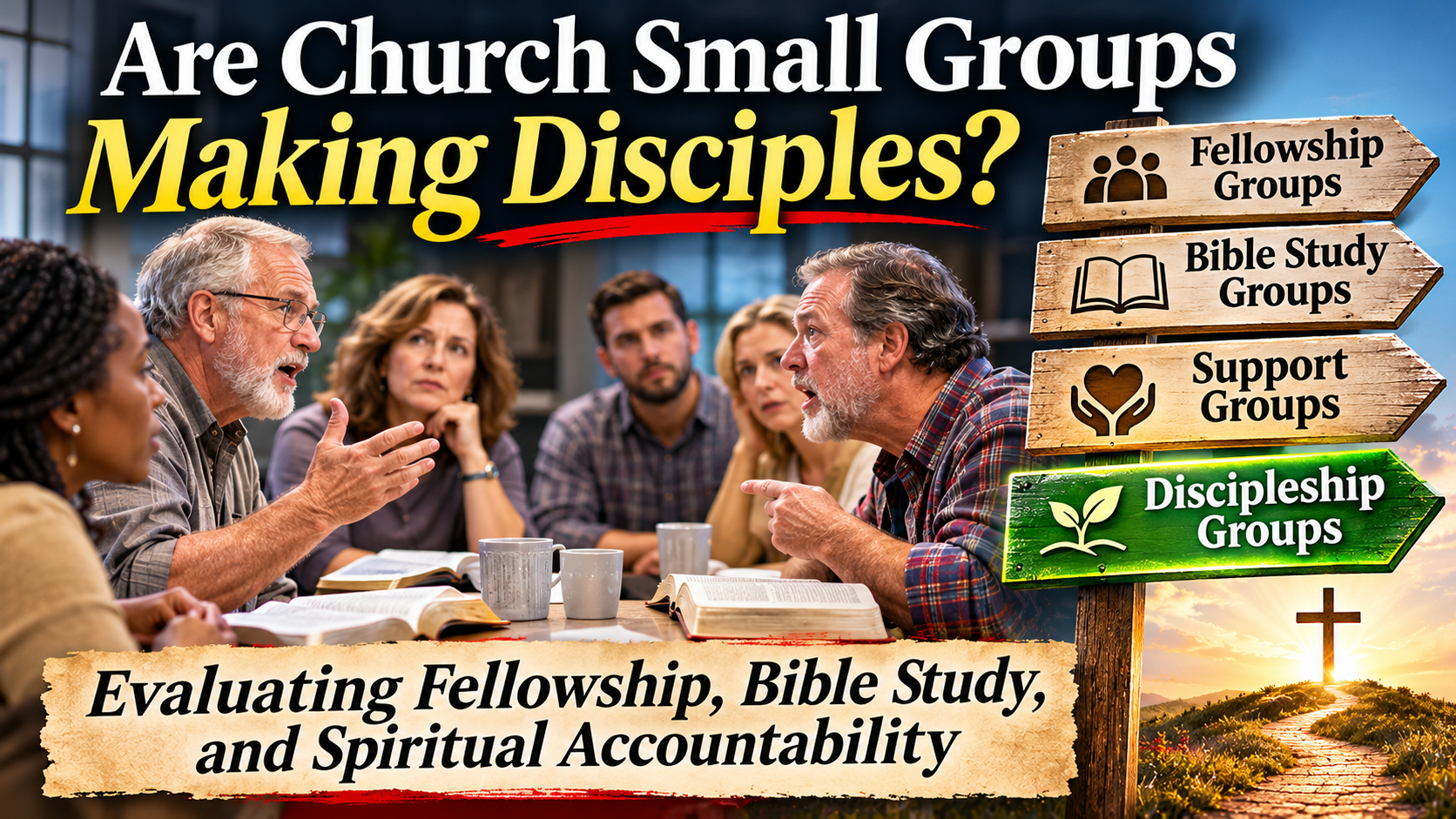
Are Church Small Groups Making Disciples?
Small groups are a familiar part of church life, but are they actually making disciples? This study examines biblical fellowship, responsible Bible study, spiritual accountability, leadership, and research concerning the effectiveness of small-group ministry.
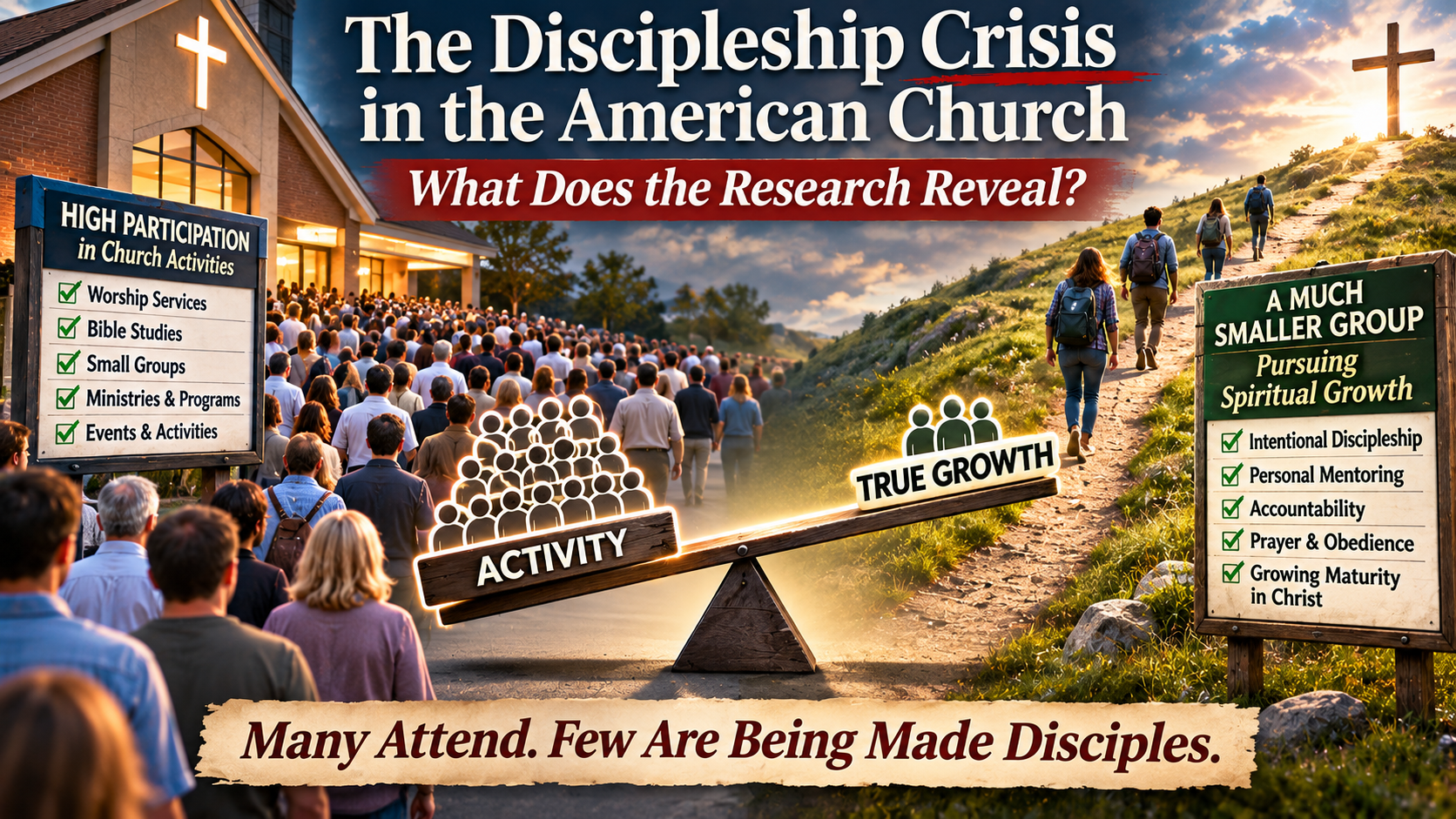
The Discipleship Crisis in the American Church: What Does the Research Reveal?
Despite extensive church programs and biblical resources, research reveals persistent concerns about spiritual maturity in American Christianity. This study examines recent Barna findings, the historical REVEAL research, Christian motivation, and the biblical responsibilities of the local church.

How Do You Make a Disciple of Jesus Christ?
How does a local church actually make disciples? This biblical study examines Jesus' teaching methods, Paul's mentoring relationships, and the importance of small groups, offering a practical curriculum and reproducible discipleship pathway for contemporary congregations.
Are All Christians Called to Be Disciples?
Is discipleship an essential part of the Christian life, or is it an advanced level of spiritual commitment reserved for particularly devoted believers? Within contemporary evangelical Christianity, a distinction is sometimes made between accepting Jesus Christ as Savior and subsequently choosing to follow Him as a disciple. According to this understanding, a person may possess eternal life through faith while remaining largely uninvolved in the obedience, spiritual formation, and responsibilities ordinarily associated with discipleship.
This study examines whether such a distinction adequately represents the teaching of the New Testament. Through an exegetical examination of Jesus' invitations to follow Him, the terminology of discipleship in Acts, the Great Commission, and Paul's teaching concerning salvation and sanctification, it argues that discipleship is not a separate spiritual classification into which Christians may optionally enter after conversion. Rather, discipleship describes the ordinary identity and continuing vocation of those who belong to Jesus Christ.
The Great Commission: Go and Make Disciples
Few passages of Scripture are more familiar to evangelical Christians than Matthew 28:18–20.
Churches frequently reference the Great Commission when discussing missions, evangelism, outreach, and church growth. Mission statements often identify reaching the lost as a central responsibility, and congregations devote considerable resources to worship services, evangelistic campaigns, and attracting new members.
These activities can be valuable expressions of Christian ministry.
Nevertheless, an important question remains:
Are churches actually accomplishing what Jesus commanded them to do?

What Is Christian Discipleship? A Biblical Definition and Its Place in the Contemporary Church
The word discipleship is frequently used in contemporary churches, yet its meaning is not always clearly understood.
Churches advertise discipleship classes, discipleship groups, leadership development programs, mentoring relationships, and spiritual growth initiatives. Some programs are designed for recent converts, while others target believers who desire a deeper commitment to Christ.
These activities may serve legitimate purposes. However, their existence raises an important question.
Is discipleship something a Christian participates in, or is it fundamental to what it means to be a Christian?
The distinction is more than semantic.